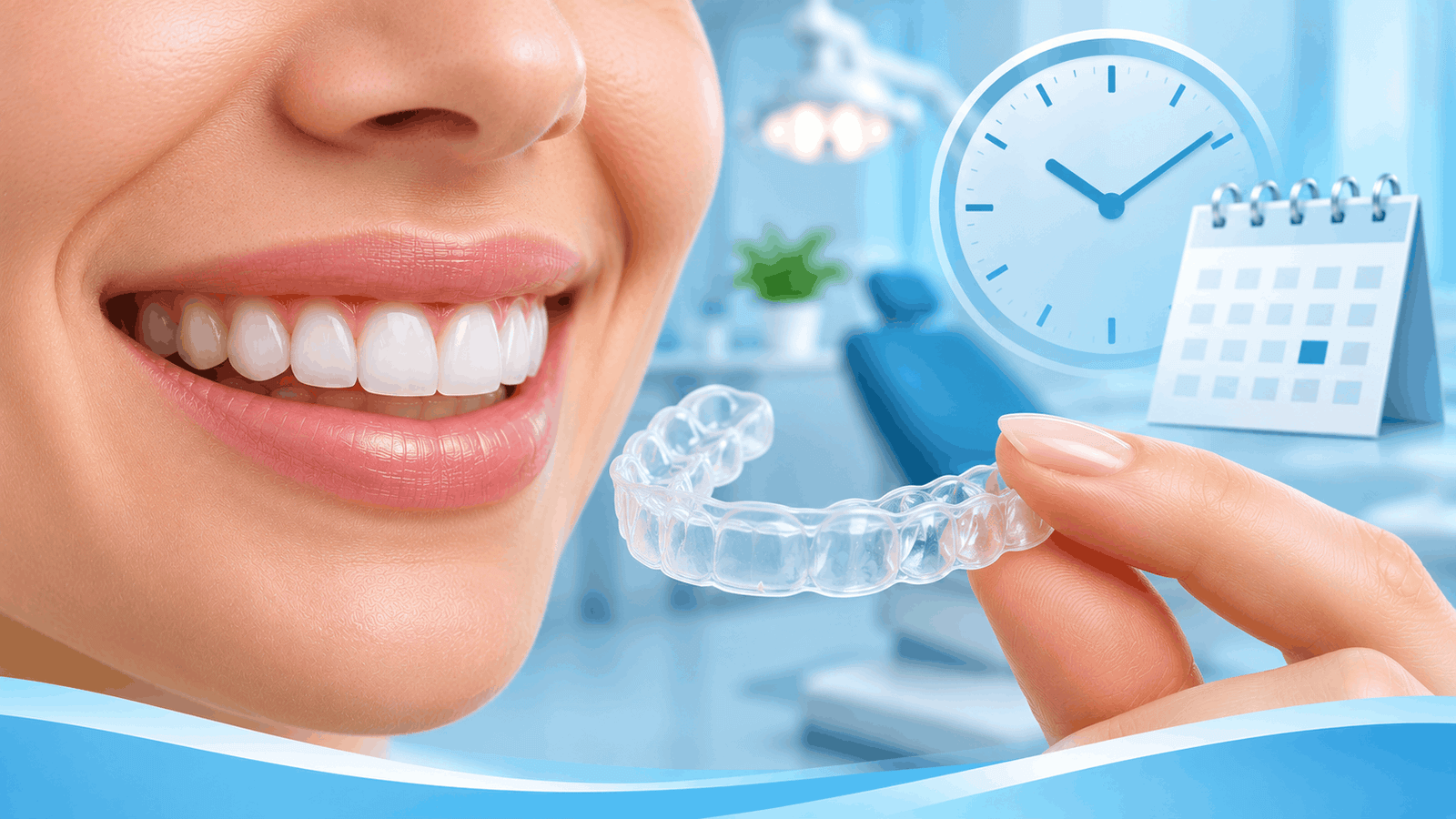
Whitening can brighten a smile, but its results do not remain unchanged forever. Teeth pick up stains from food and drinks, and their colour can change with age. Knowing what affects the result can help you plan safe aftercare.
How long does teeth whitening last? Professionally supervised results often remain noticeable for several months to a couple of years, although the NHS says the effect may last around three years when you follow your dentist’s advice. Your starting shade, hygiene and lifestyle make a difference.
How Long Does Teeth Whitening Last on Average?
There is no fixed expiry date for a whitening result. Crosland Moor Dental Clinic explains that results typically last from several months to a couple of years, depending on diet and lifestyle. Some people keep a lighter shade longer; others see stains return sooner. The NHS notes that effects may last around three years with appropriate care.
When someone asks how long does teeth whitening last, the distinction between fading and complete reversal matters. Staining often returns gradually. A dentist can assess whether cleaning or a supervised top-up is appropriate.
How Does Professional Teeth Whitening Work?
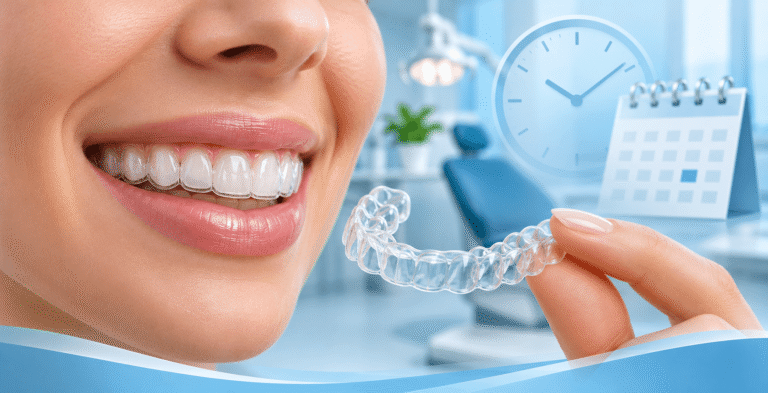
Whitening gels usually contain hydrogen peroxide or carbamide peroxide, which help break down coloured compounds within natural tooth structure. Dentist-led treatment may involve custom-fitted trays used at home over several weeks, or a practice-based procedure where the gums are protected and whitening gel is applied. The method depends on clinical assessment.
Crosland Moor Dental Clinic offers professional teeth whitening in Huddersfield, including supervised home-whitening options. An examination identifies problems that may need attention first.
How Long Does Teeth Whitening Last With Different Treatments?
Whether you whiten at home with dentist-supplied trays or receive treatment in a dental practice, the durability of the result depends heavily on individual habits. A supervised home system can lighten teeth gradually, while some practice-based approaches produce a visible change more quickly. Faster treatment does not necessarily mean the result will last longer.
The question how long does teeth whitening last with professional treatment also depends on the starting shade and the type of discolouration. Yellow-toned teeth often respond differently from grey or deeply discoloured teeth. Your dentist should explain realistic expectations.
What Causes Whitening Results to Fade?
Coffee, Tea, Red Wine and Tobacco
Strongly coloured drinks and smoking can cause surface stains to develop again. Frequent exposure matters more than an occasional drink. Tobacco also harms oral health. Rinsing with water after staining drinks can help reduce the time pigments remain in contact with teeth.
If you are wondering how long does teeth whitening last if you drink coffee, there is no universal timeframe. How often you drink it, your cleaning routine and the condition of your enamel all influence the return of stains.
Ageing, Enamel and Oral Health
Tooth colour also changes naturally with age. Enamel can become thinner, allowing the darker underlying dentine to show through more strongly. Plaque and surface staining affect brightness; internal discolouration may respond less predictably. Regular general dentistry appointments can identify oral health issues and help you understand the cause of colour changes.
How Can You Make Teeth Whitening Last Longer?
Brush twice daily with fluoride toothpaste and clean between your teeth regularly. Continue routine dental check-ups and hygiene visits as recommended. Water after coloured drinks can help; avoid brushing immediately after acidic drinks. Reducing smoking and frequent staining drinks can also help maintain the appearance of your teeth.
When considering how long does teeth whitening last with good aftercare, remember that effective cleaning limits surface stains but cannot stop natural ageing. Avoid abrasive charcoal powders and unregulated high-strength whitening products. More frequent bleaching is not automatically safer or more effective; discuss any top-up schedule with your dentist.
Does Whitening Work on Composite Bonding, Veneers and Crowns?
Whitening gels lighten natural teeth but do not change the colour of porcelain veneers, crowns or existing composite resin restorations. If natural teeth become lighter, an older restoration may no longer match. Your dentist may suggest whitening before a new restoration is shade-matched, allowing time for the final tooth colour to settle.
If you are comparing composite bonding vs veneers, their stain resistance and maintenance needs differ. Our guide to how long does composite bonding last also explains how resin can wear or stain over time. These are separate considerations from whitening natural enamel.
How Long Does Teeth Whitening Last Before a Top-Up Is Needed?
Some people are happy with their colour for years, while others choose a dentist-approved top-up sooner. There is no standard schedule that suits everyone. How long does teeth whitening last between top-ups depends on personal factors. A review distinguishes surface staining from changes that might benefit from more whitening.
People asking how long does teeth whitening last before repeating treatment should not assume regular bleaching is harmless. Excessive or incorrectly applied products can increase sensitivity and irritate gums. Use gels only as your dentist recommends.
Want advice on maintaining your whitening results? The dental team at Crosland Moor Dental Clinic can assess tooth colour and oral health, then discuss appropriate options. Contact the clinic to arrange an assessment.
Is Teeth Whitening Safe for Everyone?
Professional whitening is generally safe for suitable adult patients when provided under dental supervision, but temporary sensitivity and gum irritation can occur. The NHS advises against whitening for people aged 17 or younger, during pregnancy or breastfeeding, or when teeth or gums are unhealthy. Suitability must be assessed individually.
If you have fillings, crowns, veneers or previous sensitivity, mention these before treatment. In the UK, cosmetic tooth whitening must be carried out by a registered dental professional, or by appropriately qualified staff working to a dentist’s prescription. Avoid beauty-salon procedures and internet products offered without suitable professional oversight.
Frequently Asked Questions
How Long Does Teeth Whitening Last if You Smoke?
Staining may return sooner when tobacco exposure continues. The timing varies, but stopping smoking is one of the most helpful steps for both appearance and oral health. A dentist can recommend suitable care.
How Long Does Teeth Whitening Last Without Touch-Ups?
Some people maintain noticeable results for several years without repeat bleaching. Others notice changes within months. There is no need to repeat treatment simply because a certain amount of time has passed; your dental health and expectations matter more.
Can Whitening Damage Tooth Enamel?
Appropriately prescribed whitening is considered safe for suitable patients, but misuse can cause sensitivity or gum irritation. An examination helps reduce avoidable risks. Avoid combining multiple products without professional guidance.
Conclusion
So, how long does teeth whitening last? Results may remain noticeable for months or years, with the NHS indicating that they can last around three years when you follow dental advice. Staining habits, ageing and oral hygiene determine how the colour changes over time. Safe, personalised aftercare matters more than chasing constant top-ups.
For advice about teeth whitening in Huddersfield, contact Crosland Moor Dental Clinic or call 01484 654438 to discuss your options.