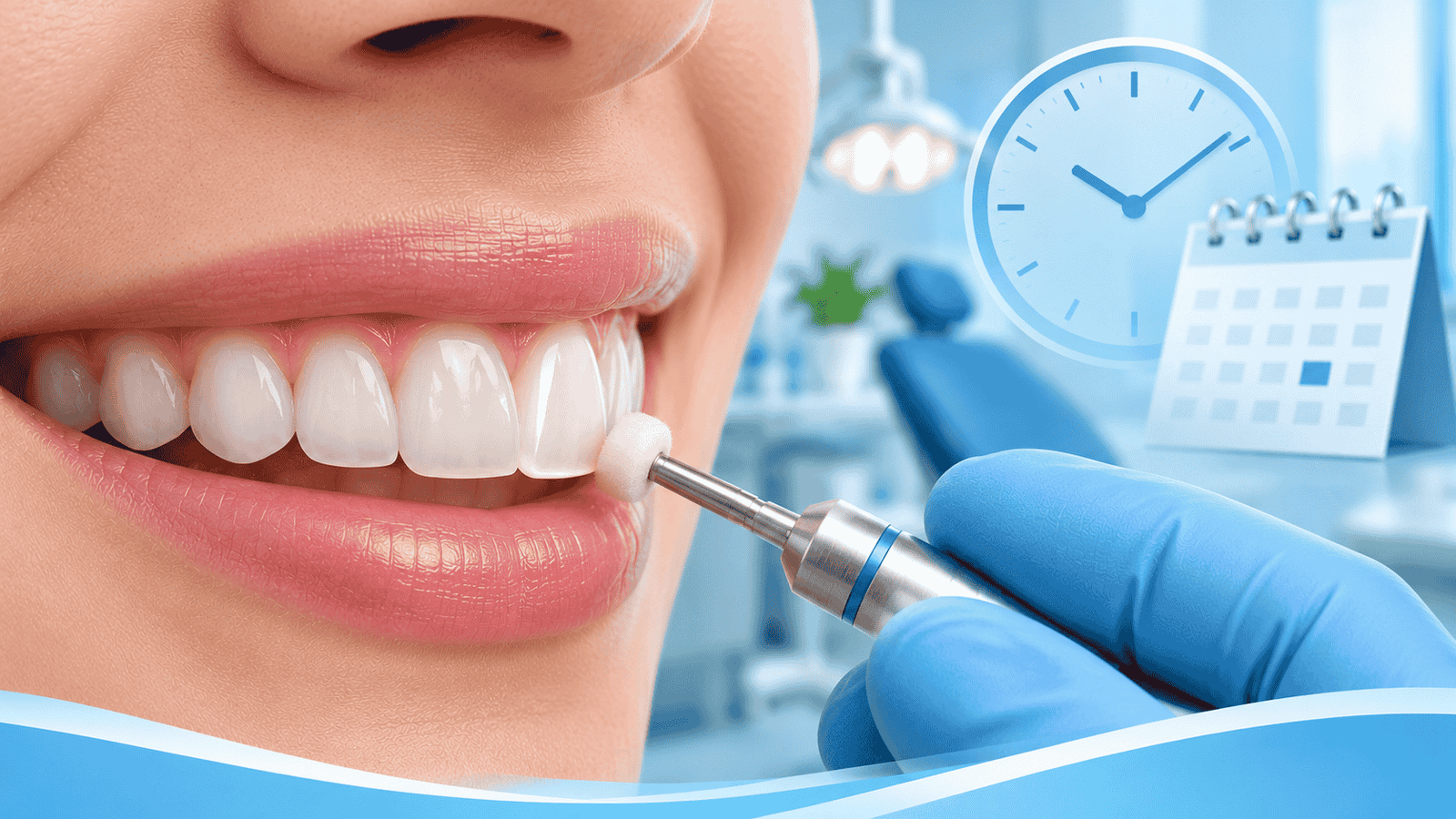
Composite bonding can improve chipped, uneven or gapped teeth using tooth-coloured resin. This conservative treatment can wear, stain or chip over time, so understanding aftercare helps protect your results.
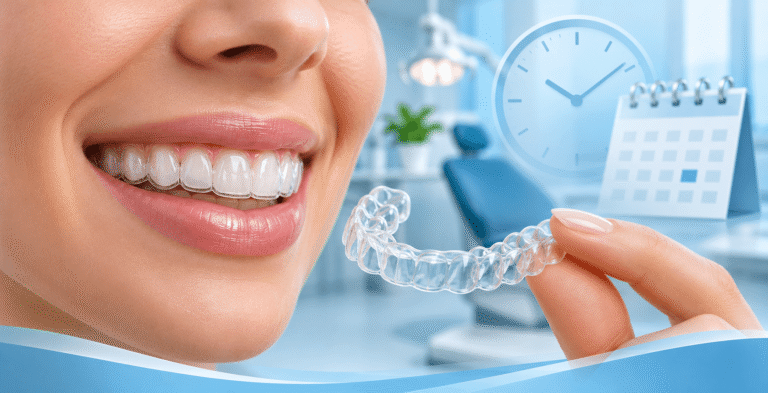
How long does composite bonding last? A common estimate is five to seven years, although individual outcomes vary. Bonding size, tooth position, biting forces and daily habits all influence longevity.
How Long Does Composite Bonding Last on Average?
Crosland Moor Dental Clinic describes approximately five to seven years as a typical lifespan for composite veneers with good care. This is a useful guide, not a guarantee or a date when every bonded tooth must be replaced. A small repair may behave differently from resin covering an entire tooth surface.
When patients ask how long does composite bonding last, it is worth distinguishing between the material remaining attached and the result looking its best. Composite may stay secure while becoming slightly dull or stained. In some cases, professional polishing is all that is needed to refresh its appearance.
What Is Composite Bonding and How Does It Work?
Composite bonding uses a tooth-coloured resin that a dentist shapes directly onto enamel to repair minor chips, close small spaces or improve tooth contours. The resin is bonded, shaped, hardened with a curing light and polished, often in one appointment.
Unlike many porcelain veneers, direct composite bonding usually requires little or no removal of healthy enamel. Suitability depends on the damage, your bite and the health of your teeth. See the clinic’s veneers and composite bonding treatments for an overview.
What Factors Affect Composite Bonding Lifespan?
Size, Position and Biting Pressure
Placement matters. A small corner repair experiences different pressures from bonding across biting edges. Heavy chewing contact can cause wear or fracture. This is one reason how long does composite bonding last cannot be predicted accurately from photographs alone.
Grinding Teeth and Everyday Habits
Grinding or clenching, known as bruxism, repeatedly stresses restorations. Biting nails, pens or ice can also chip resin. If you grind your teeth, a dentist may recommend a protective night guard after assessing your bite.
Oral Hygiene and Staining
Plaque, gum inflammation and decay threaten oral health. Composite stains more readily than porcelain, especially with frequent tea, coffee, red wine or tobacco exposure. Staining may affect appearance without indicating failure.
How Long Does Composite Bonding Last With Proper Care?
Good aftercare can help bonding remain comfortable and attractive. Brush twice daily using fluoride toothpaste and a soft-bristled brush, and clean between your teeth each day. Ask your dentist which toothpaste is suitable; highly abrasive whitening products may dull the resin’s polished surface. Rinsing with water after strongly coloured drinks can also help limit surface staining.
Regular dental examinations allow your dentist to check for tiny chips, rough edges, changes in the bite and gum problems. Professional polishing may restore the shine without replacing the restoration. If you’re wondering how long does composite bonding last with daily brushing, remember that cleaning is important but cannot prevent every type of mechanical wear or accidental damage.
The clinic’s general dentistry services cover routine assessments and preventive care that can help maintain both natural teeth and restorations.
What Are the Signs Composite Bonding Needs Repair?
Look out for a chipped edge, rough or sharp surface, obvious colour change, a gap developing between the material and tooth, or a change in the way your teeth meet. New sensitivity or pain should also be assessed rather than assumed to be normal wear. A dark line or persistent staining near the edge may need closer examination.
Questions about how long does composite bonding last become less important when a restoration feels loose or painful. Arrange a dental appointment instead of attempting to smooth or glue it yourself. Early assessment can sometimes make a smaller repair possible.
Can Composite Bonding Be Repaired Instead of Replaced?
Often, yes. One advantage of direct composite is that a dentist may be able to polish it, reshape a worn edge or add new resin to repair a small chip. Extensive damage, repeated fractures, decay or major colour mismatch may make complete replacement more appropriate.
The answer to how long does composite bonding last before replacement therefore depends on the condition of the individual tooth, not simply how many years have passed. A dentist will assess the remaining material and the natural tooth underneath before recommending treatment.
Does Composite Bonding Last as Long as Veneers?
When comparing composite bonding vs veneers, it is important to distinguish direct resin bonding from laboratory-made porcelain veneers. Porcelain generally resists stains and wear better and may last longer, but it usually costs more and may require some enamel removal. Composite is often more conservative and easier to repair, although it may need more frequent maintenance.
The comparison is not about lifespan alone: treatment goals, healthy enamel, bite forces and the amount of change required also matter. The clinic’s treatment pricing guide lists starting prices, but an examination is needed for a personalised quotation.
Can Teeth Whitening Affect the Lifespan of Bonding?
Whitening products lighten natural tooth enamel but do not change the colour of existing composite resin. If the surrounding teeth become whiter, older bonding can appear darker by comparison. Your dentist may recommend whitening first so new composite can be shade-matched afterwards.
Our related guide to how long does teeth whitening last will cover how whitening results change over time. If you’re planning both treatments, ask about the appropriate order rather than trying to whiten bonded teeth with stronger products.
Would you like a dentist to check existing bonding or discuss a repair? Contact Crosland Moor Dental Clinic to arrange an assessment and learn which options are suitable for your teeth.
Frequently Asked Questions
How Long Does Composite Bonding Last on Front Teeth?
Front-tooth bonding commonly lasts around five to seven years, but position alone does not determine lifespan. The size of the repair, biting forces and habits such as nail-biting or grinding can make a substantial difference. Some restorations need only occasional polishing; others require repairs.
How Long Does Composite Bonding Last—Can It Reach Ten Years?
It is possible for well-maintained bonding to remain serviceable for ten years or longer, but this should not be expected in every case. Regular review helps determine whether repair, polishing or replacement is appropriate.
How Long Does Composite Bonding Last Without Maintenance?
No fixed lifespan is possible without care. Resin can wear, stain or chip, and even well-maintained bonding may eventually need repair or replacement. Routine reviews help identify problems early.
Conclusion
So, how long does composite bonding last? Around five to seven years is a sensible general expectation, although individual results vary. Careful cleaning, avoiding damaging habits and attending dental reviews can help protect the restoration, and small problems may be repairable without a complete replacement.
If you want personalised advice about bonding or veneers, book a consultation with Crosland Moor Dental Clinic in Huddersfield or call 01484 654438.